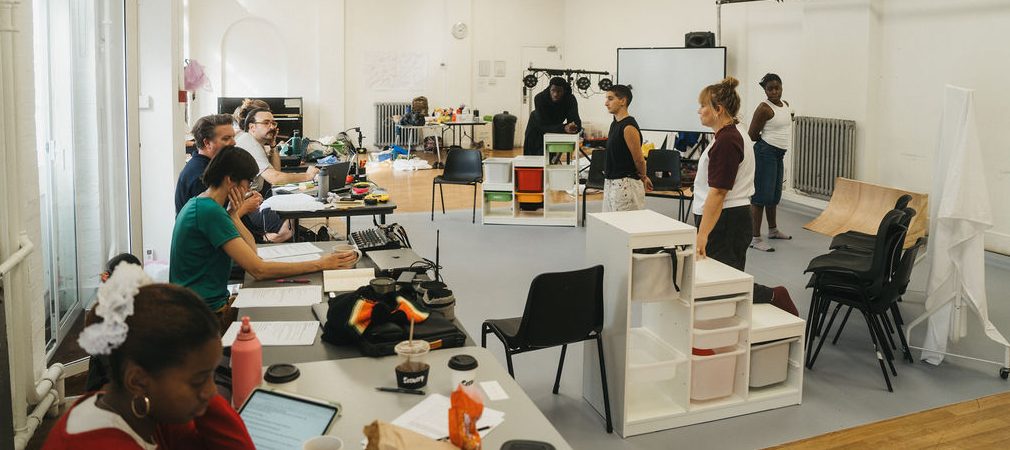
This is Tangled Feet’s fourth therapeutic theatre piece for young audiences, and it has grown from the slow, thoughtful work of listening: to young people, to their lived experiences, to the things that are often carried beneath the surface.
Over the past two years, we’ve worked alongside young creative consultants with experience of school exclusion and Pupil Referral Units. Their ideas, reflections and expertise have shaped the heart of the show.
Our therapeutic theatre model has become a really enriching way to connect our Creative Therapies programme (Tangled Feet employ 14 Creative Therapists working across mainstream & alternative provisions) & understand the connections between creativity, process, therapy & co-creation.
The creative process has asked us to hold artistic ambition and therapeutic care together. In the rehearsal room, imagination, movement, metaphor, play and reflection sit alongside a commitment to safety, agency and trust. Open to influence from everywhere- truly collaborative. Our therapists, young people and theatre-makers work in conversation with each other, creating a process where complex childhood experiences can be explored with honesty, creativity and care.
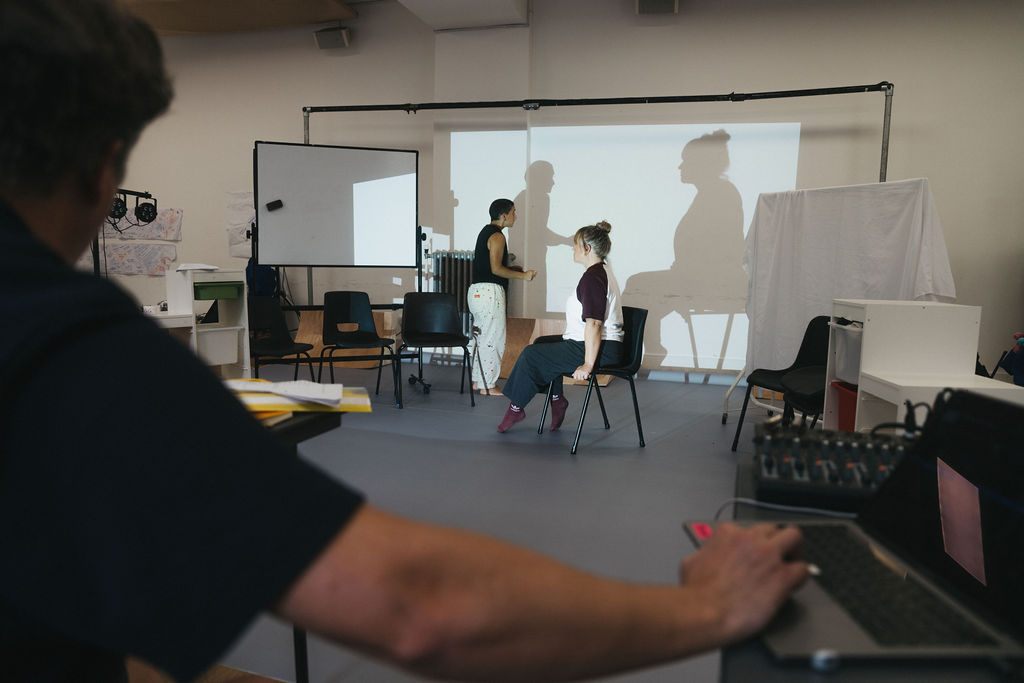
Work like this takes time, is built through a slow building of trust & is exceptionally hard. It’s full of anxieties, rejection & acceptance, risk, rupture, repair & tiny steps forward (that you can sometimes hardly see). It needs relationships to deepen, ideas to evolve, and young people to know that their voices are being genuinely heard (and not extracted). That kind of long, slow, careful process is increasingly difficult to protect in the face of rising costs and mounting pressures across the arts and education sectors. And yet it has never felt more important.
A Class Of Your Own asks what happens when children are labelled before they are understood; when big feelings are seen as problems rather than communication; when systems struggle to make space for those who do not fit easily within them. It also asks what might become possible when we slow down, listen properly, and allow young people to help shape the stories told about them.
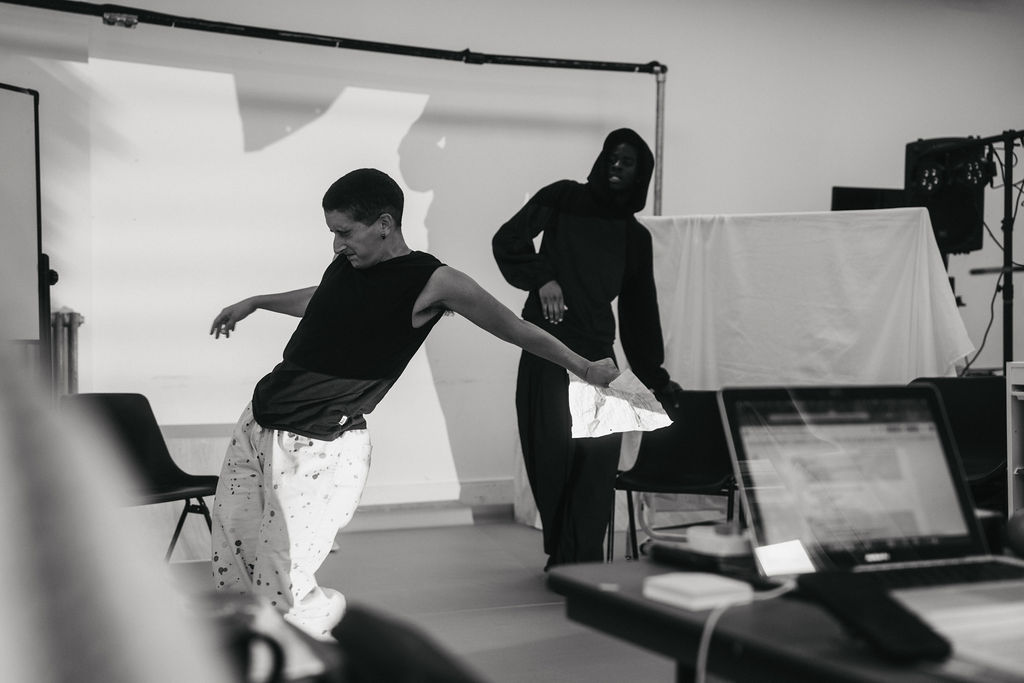
In a time where many in government & the Arts Council are keen to empower children’s access & experience of the arts – will we ensure all stories are told on our stages, that the complexity of growing up (children experience all the emotions adults do) is given space & everyone sees themselves? The age range for this show (8+) feels particularly at risk at the moment.
We’re proud to be bringing this work to audiences at Polka and the Hat Factory, and grateful to every young person, artist, therapist, partner and supporter who has helped us get here. At its heart, this project is a reminder that young people’s voices belong at the centre of the conversation.